Eating to Win
Tuesday November 17, 2026
I was reminded of something important the last couple of days. Something that I’ve had to learn many, many, many times over the past 30 some years. You MUST eat. And secondly, you must eat enough Fat. I have started the past three weeks with a 43 hour fast. And, even broke the fast properly with a 1/4 cup of almonds, and limiting meal quantity and type.
Today, I weigh 243 lbs which is up from two (even three) weeks ago. While I may have a little less abdominal bloating, the fasting did not seem to have any benefit. And, it has limited my advances in building muscle for the 2 mile run coming next week.
This article spells it out:
Eat Enough to Thrive: The Importance of Healthy Fats on a Vegan Keto Diet
Why nourishing your body—not simply eating less—is essential for sustainable weight loss, a healthy metabolism, and long-term wellness.
When pursuing weight loss through a ketogenic diet, it’s tempting to believe that eating fewer calories and fasting more frequently will produce faster results. However, lasting success isn’t simply about eating less. It’s about providing your body with the nourishment it needs to function efficiently.
This becomes especially important when following a vegan ketogenic diet, where carbohydrates are restricted and animal-based sources of fat and protein are eliminated.
Understanding Your Basal Metabolic Rate (BMR)
Your Basal Metabolic Rate (BMR) represents the energy your body needs at rest to maintain essential functions, including breathing, circulation, temperature regulation, and cellular repair.
When we consistently consume too few calories, the body can respond by conserving energy. This process, known as metabolic adaptation, may reduce overall energy expenditure, making continued weight loss more difficult. This the reason I could run 60 miles/week and never get below 215 lbs (the weight I ran my last Chicago Marathon at in 2003).
Although some metabolic slowing naturally accompanies weight loss, prolonged and excessive calorie restriction can also contribute to fatigue, muscle loss, and nutritional deficiencies.
The goal isn’t to eat as little as possible. It’s to create a reasonable calorie deficit while preserving muscle, maintaining energy, and supporting metabolic health.
Healthy Fats: Essential Fuel for Vegan Keto
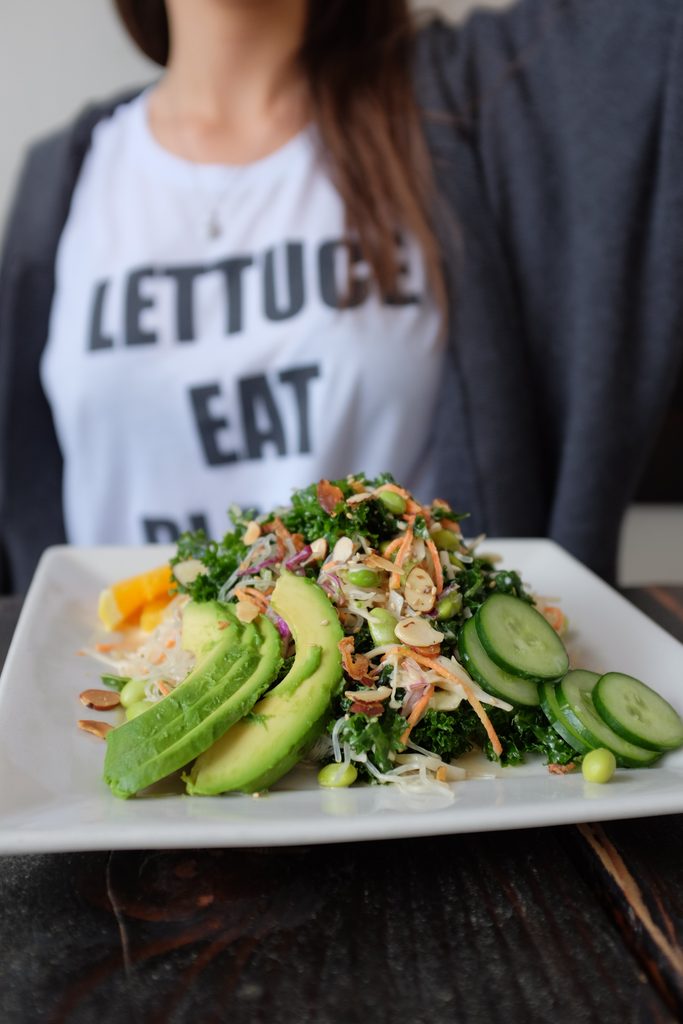
On a ketogenic diet, fat becomes a major energy source as carbohydrate intake decreases. However, not all dietary fats offer the same nutritional benefits.
The healthiest approach emphasizes unsaturated fats while limiting excessive saturated fats.
Excellent vegan keto fat sources include:
- Avocados: Rich in monounsaturated fats, fiber, and potassium.
- Extra virgin olive oil: Provides heart-healthy monounsaturated fats and beneficial plant compounds.
- Walnuts: Supply polyunsaturated fats, including plant-based omega-3 fatty acids.
- Chia seeds and ground flaxseeds: Offer omega-3 fats, fiber, and additional plant-based protein.
- Almonds and macadamia nuts: Provide satisfying fats along with important minerals.
- Hemp seeds: Contain healthy fats, protein, and essential fatty acids.
Coconut oil and coconut cream can also fit into vegan keto meals, but because they are high in saturated fat, they are best used sparingly.
Fat supports hormone production, cell membranes, and the absorption of vitamins A, D, E, and K. It also helps make meals satisfying.
However, eating more fat does not automatically increase BMR or accelerate weight loss. Adequate total calories, sufficient protein, resistance exercise, and good nutrition are equally important.
Why Frequent Fasting Can Work Against Long-Term Success
Intermittent fasting and long fasts can be useful for some people, particularly when it helps reduce unnecessary snacking or establish consistent eating habits.
But fasting from all food too frequently, especially when combined with a restrictive ketogenic diet, can create problems.
Repeated extended fasts may make it difficult to consume enough protein, essential fats, vitamins, minerals, and total calories. Over time, this can increase the risk of muscle loss, fatigue, and inadequate nutrition.
Preserving muscle is particularly important as we age because muscle contributes to resting energy expenditure, physical strength, and metabolic health.
Fasting itself does not necessarily damage metabolism, and research has not established that frequent fasting permanently lowers BMR. The greater concern is prolonged undernutrition and the loss of lean body mass.
For sustainable results, a consistent, nutritionally complete eating pattern may be more beneficial than repeatedly cycling between extended fasting and severe calorie restriction.
Finding Balance: Nourishment Over Deprivation
A successful vegan ketogenic lifestyle should focus on more than achieving ketosis or watching the number on the scale.
It should emphasize:
- Eating enough calories to support everyday activity and metabolic needs.
- Including healthy plant-based fats at meals.
- Consuming adequate protein from foods such as tofu, tempeh, seitan, and other low-carbohydrate plant sources.
- Maintaining muscle through regular physical activity and strength training.
- Using fasting thoughtfully rather than treating it as a requirement for weight loss.
A vegan keto diet also requires attention to nutrients such as vitamin B12, calcium, iron, iodine, and omega-3 fatty acids.
The Bigger Picture: Fueling a Healthier Life
Weight loss is not a competition to see how little we can eat or how long we can go without food.
Our bodies need consistent nourishment to maintain strength, energy, and resilience. While a moderate calorie deficit can encourage fat loss, excessive restriction can undermine the very health we’re trying to improve.
True progress comes from learning to nourish the body wisely, not continually depriving it.
The objective is not simply to lose weight, but to build a healthier, stronger body capable of sustaining an active and fulfilling life for years to come.