The ballet dancer embodies the spirit of Naturalism through the freedom of movement, self-expression, and the natural beauty of the human form. Their dance reminds us that true freedom begins with accepting ourselves, celebrating our individuality, and allowing others the same opportunity to flourish without judgment.
Ultimately, Naturalism is about living authentically—embracing our natural selves, expressing our individuality, and recognizing our place within the greater web of life. It encourages us to move beyond artificial standards and societal expectations, finding beauty and meaning in simplicity and the freedom to be ourselves.
Watch an artistic expression of ‘Cold Water Swimming‘.
Naturalism is both a spiritual philosophy and a way of life rooted in self-acceptance, personal freedom, and reverence for the natural world. It embraces the human body in its natural state while encouraging mindful living, compassion, and respect for all life. Through these principles, we cultivate a deeper sense of belonging, inner peace, and harmony with the Earth.
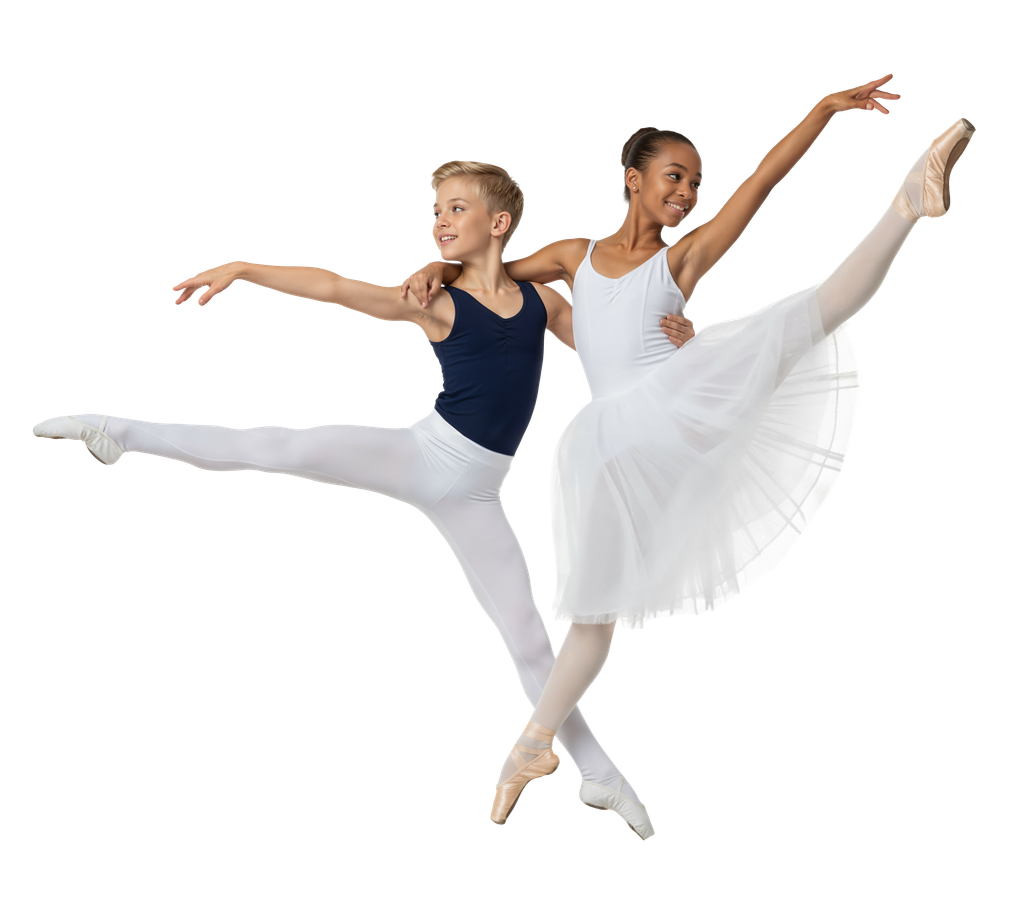
Ballet: A Reflection of Naturalism
Ballet requires strength, discipline, flexibility, and grace. For these young dancers, it can also represent something deeper: the courage to be comfortable in their own bodies and the freedom to express themselves authentically.
Just as nature does not demand that every tree grow alike, Naturalism recognizes that individuals flourish when they are free to develop in their own unique ways.
The image of this couple performing ballet beautifully reflects this philosophy. Through movement, balance, and artistic expression, they demonstrate the freedom to embrace his individuality without being limited by traditional expectations of how a person should look, behave, or express himself.
The Core Principles of Naturism
Naturism is a God-centered spiritual philosophy and way of life that embraces the natural human experience, celebrates individuality, and recognizes all creation as a reflection of God’s wisdom, beauty, and love. Rooted in faith, gratitude, simplicity, and compassion, it encourages us to honor the bodies we have been given, live authentically, and cultivate a harmonious relationship with God, one another, and the natural world.
- God at the Center: Recognizing God as the source of all life, love, and creation. Naturism encourages a personal relationship with God through prayer, gratitude, reflection, and living in accordance with His teachings. Our spiritual journey begins with recognizing His presence in our lives and the world around us.
- Body Acceptance and Natural Beauty: Embracing the human body as a sacred gift from God, created with inherent dignity, beauty, and purpose. Every person is worthy of love and respect, regardless of appearance, ability, age, or gender.
- Freedom of Expression: Celebrating the unique gifts, talents, and creativity God has given each of us. Encouraging individuals to express themselves authentically, explore their passions, and flourish without unnecessary judgment or restrictive societal expectations.
- Harmony with God’s Creation: Recognizing the natural world as a manifestation of God’s wisdom and love. Through simplicity, gratitude, and responsible stewardship, we seek to live in harmony with the Earth, respecting its beauty, resources, and all living things.
- Authenticity and Personal Freedom: Living with honesty, humility, and faith, guided by our God-given conscience rather than the pursuit of social approval. True freedom comes from embracing who we are while remaining mindful of our responsibilities to God and others.
- Unity of Mind, Body, and Spirit: Honoring the inseparable relationship between our physical, emotional, and spiritual well-being. Through movement, dance, creativity, prayer, and mindful living, we celebrate the abilities God has given us and nurture a balanced, purposeful life. This manifests with body acceptance and a decrease in a false modesty.
- Compassion, Respect, and Equality: Recognizing every person as created in the image of God and therefore deserving of dignity, kindness, and respect. We are called to practice compassion, reject unnecessary judgment, and extend love to others regardless of their differences.