Discover the benefits of ketogenic nutrition, plant-based keto, and the restorative power of sunlight and fresh air.
Living a ketogenic lifestyle is about more than reducing carbohydrates. It’s an approach to nutrition and daily living that emphasizes whole foods, metabolic health, physical activity, restorative sleep, and a greater connection with nature.
Whether you’re exploring traditional keto, interested in a vegan ketogenic diet, or looking for natural ways to support your wellness journey, understanding how these practices work together can help you build a healthier, more sustainable lifestyle.
What Is the Ketogenic Diet?
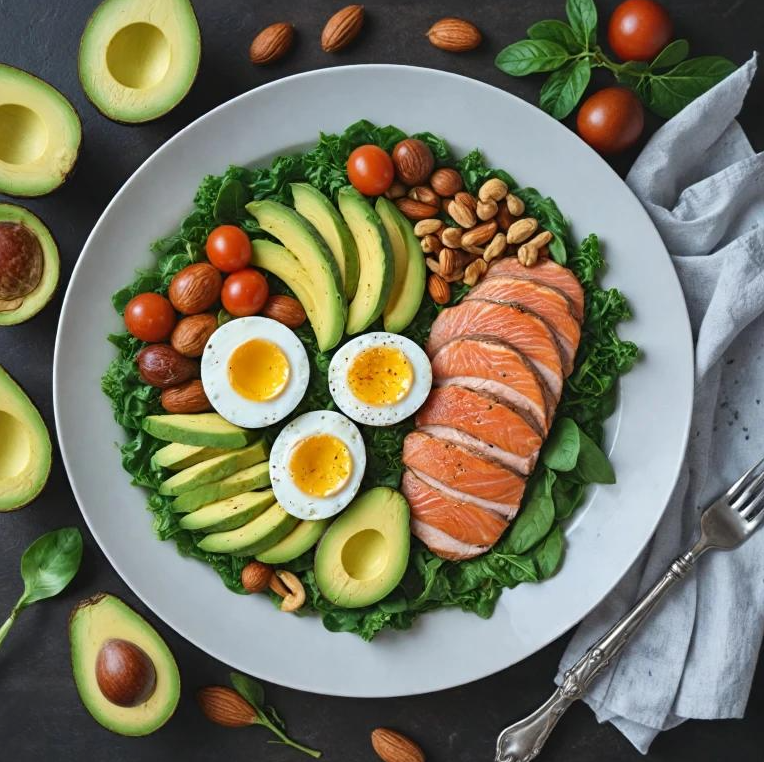
The ketogenic diet is a low-carbohydrate, high-fat eating approach designed to shift the body’s primary energy source from glucose toward fat and ketones.
When carbohydrate intake is significantly reduced, the liver begins producing ketones from fatty acids. This metabolic state, known as ketosis, allows the body to use ketones as an alternative fuel source.
A typical ketogenic diet emphasizes:
- Healthy fats: Avocados, olive oil, nuts, seeds, and other minimally processed fat sources.
- Moderate protein: Eggs, fish, poultry, tofu, tempeh, and other protein-rich foods.
- Low-carbohydrate vegetables: Leafy greens, broccoli, cauliflower, zucchini, and asparagus.
- Limited sugars and starches: Reducing refined carbohydrates, sugary beverages, bread, pasta, and other high-carbohydrate foods.
Many ketogenic diets limit daily carbohydrate consumption to approximately 20–50 grams, although individual needs and responses vary.
Potential Benefits of Ketogenic Nutrition
Research suggests that ketogenic diets may offer several benefits, particularly for certain individuals managing weight and metabolic health.
Weight management: Reduced carbohydrate intake may help control appetite and support weight loss when combined with an appropriate overall calorie intake.
Blood sugar management: Lower carbohydrate consumption can improve blood glucose control in some people, particularly those with type 2 diabetes. Medication adjustments may be necessary under medical supervision.
Metabolic flexibility: Ketogenic nutrition encourages the body to rely more heavily on fat-derived fuels. However, being in ketosis does not automatically mean greater fat loss.
Appetite regulation: Some individuals experience reduced hunger and fewer cravings while following a ketogenic diet.
Therapeutic applications: Medically supervised ketogenic diets are established treatments for certain forms of epilepsy and are being investigated for additional clinical applications.
The ketogenic diet is not appropriate for everyone, and long-term outcomes depend on food quality, nutritional adequacy, individual health, and sustainability.
Vegan Keto: A Plant-Based Approach to Ketogenic Living
Can you follow a ketogenic diet without consuming animal products? Absolutely.
A vegan ketogenic diet combines the carbohydrate restrictions of traditional keto with a completely plant-based eating philosophy.
Although it requires additional planning, vegan keto offers an opportunity to emphasize vegetables, plant proteins, unsaturated fats, and nutrient-dense whole foods.

The Foundations of Vegan Keto
The key is choosing foods that provide sufficient healthy fats and protein without exceeding your daily carbohydrate goals.
Healthy plant-based fats
- Avocados and avocado oil
- Extra virgin olive oil
- Walnuts, pecans, and macadamia nuts
- Chia, flax, and hemp seeds
- Olives and unsweetened coconut products
Plant-based protein sources
- Tofu and tempeh
- Seitan, for those who tolerate gluten
- Hemp hearts and pumpkin seeds
- Unsweetened plant-based protein powders
- Selected low-carbohydrate soy products
Low-carbohydrate vegetables
- Spinach, kale, and Swiss chard
- Cauliflower and broccoli
- Zucchini and mushrooms
- Cabbage and asparagus
- Cucumbers, celery, and lettuce
A Sample Day of Vegan Keto Eating
| Meal | Plant-Based Keto Option |
|---|---|
| Breakfast | Tofu scramble with spinach, mushrooms, and avocado |
| Lunch | Mixed greens with baked tempeh, olives, walnuts, and olive oil dressing |
| Snack | Chia pudding made with unsweetened almond milk |
| Dinner | Zucchini noodles with tofu, basil pesto, and roasted vegetables |
Important Nutritional Considerations
Because vegan keto restricts both animal products and many carbohydrate-rich plant foods, careful nutritional planning is essential.
Pay particular attention to vitamin B12, iron, calcium, iodine, zinc, vitamin D, omega-3 fatty acids, protein, and fiber.
A vitamin B12 supplement is generally necessary for people following a fully vegan diet. Algae-derived EPA and DHA supplements may also be useful.
For long-term sustainability, focus on variety and nutritional completeness rather than simply achieving the lowest possible carbohydrate intake.
Sun and Air Therapy: A Natural Complement to the Ketogenic Lifestyle
<em>Reconnect with nature. Support your body’s natural rhythms. Create healthier daily habits.</em>
Nutrition is only one part of a healthy lifestyle. Spending time outdoors, enjoying appropriate sunlight exposure, and breathing fresh air can complement ketogenic living by supporting sleep, mood, physical activity, and overall well-being.
Historically, sunlight and fresh-air exposure have sometimes been described as sun and air therapy. Today, these practices are better understood as components of outdoor wellness rather than treatments that independently produce ketosis or accelerate fat loss.
1. Sunlight, Vitamin D, and Metabolic Health
Sunlight helps the skin produce vitamin D, an essential nutrient involved in bone health, immune function, and numerous physiological processes.
Vitamin D status has also been studied in connection with metabolic health, although increasing vitamin D through sunlight has not been proven to enhance ketosis or directly cause weight loss.
Regular daylight exposure can also help regulate the body’s circadian rhythm, supporting more consistent sleep and wake cycles.
Practical tip: Spend time outdoors during daylight hours while practicing appropriate sun protection. Vitamin D production varies with season, location, skin pigmentation, and other factors. When necessary, dietary sources or supplements provide alternatives without UV exposure.
2. Fresh Air and Outdoor Movement
Fresh air alone does not directly increase fat burning. However, outdoor environments can make walking, hiking, cycling, and other physical activities more enjoyable and sustainable.
Regular movement supports:
- Improved insulin sensitivity
- Cardiovascular fitness
- Healthy weight management
- Mood and stress regulation
- Better sleep quality
Combining a ketogenic eating plan with regular physical activity may improve overall metabolic health, even when exercise does not significantly increase ketone levels.
Practical tip: Try a comfortable 15–30-minute outdoor walk each day, especially after meals. Walking after eating can help moderate post-meal blood glucose levels.

3. Natural Light and Restorative Sleep
Sleep is an important but frequently overlooked component of weight management and metabolic wellness.
Insufficient sleep can influence appetite, energy levels, insulin sensitivity, and food choices.
Morning daylight helps synchronize the body’s internal clock, while a consistent evening routine supports restful sleep.
Practical tip: Get outside for natural morning light when possible, maintain a regular sleep schedule, and reduce bright light exposure before bedtime.
4. Stress Reduction Through Nature
Spending time in natural environments may help reduce perceived stress and improve emotional well-being.
Chronic stress can make healthy eating and exercise routines more difficult to maintain. Outdoor relaxation, mindful walking, gardening, and gentle movement can support long-term consistency.
The goal is not to force the body into ketosis through sunlight or fresh air, but to create an environment that makes healthy habits easier to sustain.
Bringing It All Together: A Balanced Keto Lifestyle
The most effective lifestyle changes are often simple, consistent, and sustainable.
Consider building your daily routine around these five principles:
- Eat nutrient-dense foods. Prioritize vegetables, adequate protein, healthy fats, and minimally processed ingredients.
- Stay hydrated. Drink sufficient water and maintain appropriate electrolyte intake, particularly when transitioning to a lower-carbohydrate diet.
- Move regularly. Incorporate walking, resistance training, or other enjoyable activities.
- Enjoy daylight and fresh air. Make outdoor time part of your daily routine while protecting your skin from excessive UV exposure.
- Prioritize rest and recovery. Maintain consistent sleep habits and allow time for relaxation.
Is the Ketogenic Lifestyle Right for You?
The ketogenic diet can be a useful nutritional approach, but it is not the only path to improved health.
Individuals taking diabetes or blood pressure medications, or those with kidney disease, liver disease, pregnancy-related nutritional needs, or a history of disordered eating should consult a qualified healthcare professional before beginning a restrictive ketogenic diet.
A sustainable approach should support your nutritional needs, personal preferences, and long-term health rather than focus exclusively on ketone readings or rapid weight loss.
Frequently Asked Questions
How long does it take to enter ketosis?
Many people begin producing elevated ketone levels within approximately two to four days of substantially restricting carbohydrates. The timing varies depending on activity level, previous diet, metabolic health, and individual physiology.
Can vegans achieve ketosis?
Yes. A vegan ketogenic diet can provide sufficient fats and protein while restricting carbohydrates. However, it requires careful planning to avoid nutrient deficiencies.
Does sunlight increase ketone production?
There is no convincing clinical evidence that sunlight directly increases ketone production. Its potential benefits relate primarily to circadian rhythm regulation, vitamin D production, and supporting outdoor activity.
Does fresh air help burn fat?
Fresh air itself does not directly burn fat. Physical activity performed outdoors increases energy expenditure and can support weight management.
Is keto better than other diets for weight loss?
Ketogenic diets can be effective for weight loss, particularly in the short term. Over longer periods, results often depend more on overall energy intake, dietary quality, adherence, and individual circumstances than on ketosis alone.
Begin Your Journey Toward Healthier Living
Whether you choose traditional keto, explore plant-based ketogenic nutrition, or simply introduce more sunlight, fresh air, and movement into your daily routine, meaningful wellness begins with consistent choices.
Nourish your body. Embrace nature. Build habits that last.
Disclaimer: This website provides general educational information and is not a substitute for individualized medical or nutritional advice.