Visceral Fat vs. Brown Fat: Understanding the Difference and How a Ketogenic Diet Can Help
When we think about losing weight, we often focus on the number on the scale or how our clothes fit. But not all body fat is the same. In fact, different types of fat serve very different purposes in our bodies. Some can increase our risk of chronic disease, while others actually help us burn energy and regulate body temperature.
Two particularly interesting types are visceral fat and brown fat. Understanding how they work—and how a ketogenic diet may influence them—can help us make better decisions about our long-term health.
Visceral Fat: Measure, Reduce, and Risks | HL Benefits
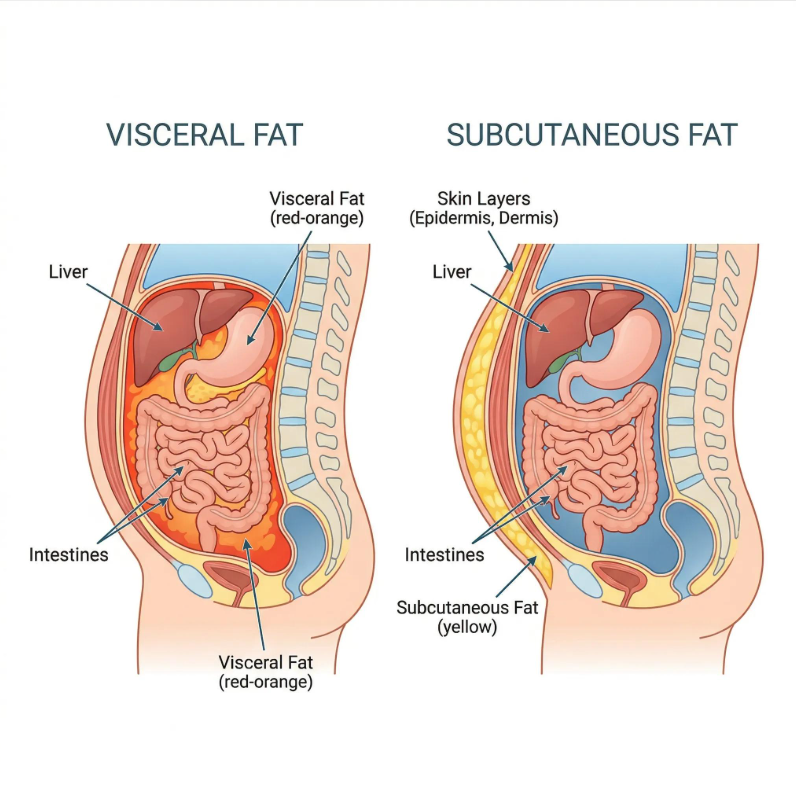
Visceral fat surrounds internal organs.
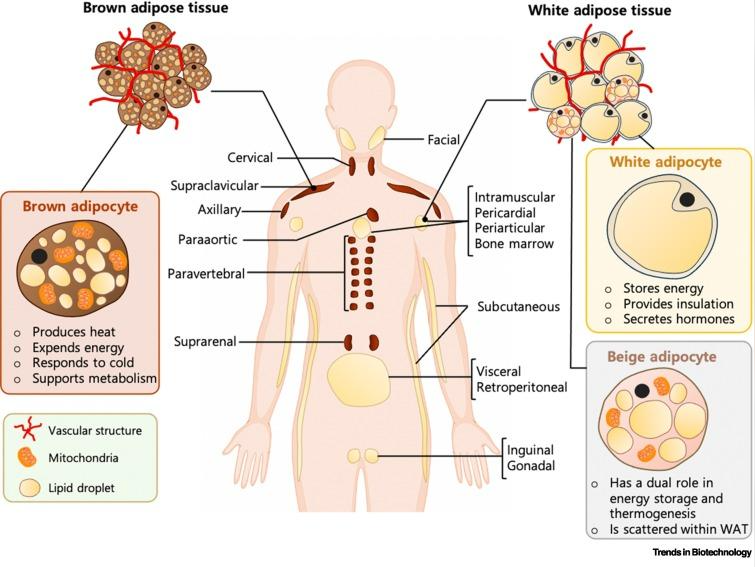
Brown fat helps produce body heat.
What Is Visceral Fat?
Visceral fat is a type of white fat stored deep within the abdominal cavity, surrounding vital organs such as the liver, pancreas, and intestines. Unlike subcutaneous fat, which sits just beneath the skin, visceral fat is hidden from view.
While a certain amount of visceral fat is normal and necessary, excessive amounts can contribute to serious health problems.
Visceral fat is metabolically active, meaning it releases hormones, fatty acids, and inflammatory substances that influence how our bodies function. Too much visceral fat is associated with:
- Insulin resistance and type 2 diabetes
- Cardiovascular disease
- High blood pressure
- Chronic inflammation
- Metabolic dysfunction-associated fatty liver disease (MASLD)
One of the challenges with visceral fat is that even someone who appears relatively thin can carry unhealthy amounts around their internal organs.
The good news is that visceral fat often responds well to lifestyle changes, particularly sustained weight loss, improved nutrition, and regular physical activity.
What Is Brown Fat?
Brown fat, also known as brown adipose tissue, is quite different from the white fat most of us associate with weight gain.
Rather than primarily storing excess energy, brown fat helps the body burn energy to produce heat. This process is called thermogenesis.
Brown fat contains numerous mitochondria, the tiny structures within cells responsible for energy production. These mitochondria give brown fat its distinctive color and allow it to generate heat, particularly when we’re exposed to cooler temperatures.
Adults generally have relatively small amounts of active brown fat, often found around the neck, collarbones, and upper spine.
Researchers are especially interested in brown fat because it may contribute to:
- Improved glucose metabolism
- Greater energy expenditure
- Regulation of body temperature
- Better metabolic flexibility
Unlike excessive visceral fat, brown fat is generally considered metabolically beneficial.
However, having more brown fat does not automatically translate into meaningful weight loss. Scientists are still investigating whether increasing brown fat activity can produce substantial long-term health benefits.
How Does a Ketogenic Diet Affect Visceral Fat?
A ketogenic diet dramatically reduces carbohydrate intake while emphasizing fats, adequate protein, and low-carbohydrate vegetables.
By limiting carbohydrates, the body begins producing ketones from fat and shifts toward greater reliance on fat and ketones for energy. This metabolic state is known as ketosis.
One potential benefit of a ketogenic diet is its ability to help reduce excess visceral fat.
1. Lower insulin levels
Carbohydrate restriction generally reduces insulin secretion. Because insulin plays a role in regulating fat storage and fat breakdown, lower insulin levels can make stored fat more available for energy.
However, losing body fat still depends largely on maintaining an energy deficit over time. Lower insulin alone does not guarantee fat loss.
2. Reduced abdominal fat
Research suggests that low-carbohydrate and ketogenic diets can reduce abdominal and visceral fat, particularly when they result in sustained weight loss.
Some studies have found greater visceral fat reductions with carbohydrate restriction than with comparison diets, although findings vary. The long-term advantage of keto over other effective weight-loss approaches remains uncertain.
3. Improved metabolic health
Reducing visceral fat can improve insulin sensitivity and other markers of metabolic health.
For individuals carrying excess abdominal fat, these improvements may be particularly important because visceral fat is strongly associated with metabolic dysfunction.
4. Better appetite control
Some people experience reduced hunger while following a ketogenic diet. Protein, dietary fat, and the metabolic changes associated with ketosis may help increase satiety, making it easier to maintain a calorie deficit without constantly feeling hungry.
This is one reason some individuals find keto easier to sustain than traditional calorie-restricted diets.
Can a Ketogenic Diet Increase Brown Fat?
This is where the science becomes especially interesting, but also less certain.
Researchers have investigated whether ketogenic diets can influence brown fat activity and thermogenesis.
Some animal studies suggest that ketogenic diets may affect brown fat metabolism or encourage certain white fat cells to develop characteristics associated with heat production, sometimes called beiging.
However, there is currently insufficient evidence that a ketogenic diet reliably increases brown fat activity or the amount of brown fat in humans.
It’s important to distinguish between burning more fat for fuel and activating brown fat. These are related metabolic concepts, but they are not the same process.
While ketogenic diets may help reduce harmful visceral fat, we should not assume they substantially increase beneficial brown fat.

Other Ways to Support Healthy Fat Metabolism
Diet is only one part of the equation. Several lifestyle habits can help reduce visceral fat and support overall metabolic health.
Regular exercise: A combination of aerobic activity and resistance training can reduce visceral fat, sometimes even before substantial weight loss becomes apparent. Walking, jogging intervals, cycling, and elliptical workouts are all valuable options.
Quality sleep: Poor sleep can interfere with appetite regulation, insulin sensitivity, and metabolic health. Maintaining a consistent sleep schedule supports healthy weight management.
Cold exposure: Mild cold exposure can activate existing brown fat because the body uses it to generate heat. However, cold showers and ice baths have not been established as effective long-term weight-loss strategies, and extreme cold exposure carries risks.
Consistency: Perhaps the most important factor is maintaining healthy habits over time. Occasional deviations from a ketogenic diet do not erase the benefits of weeks or months of improved eating and exercise.
The Bigger Picture: Focus on Health, Not Just Weight
One of the most valuable lessons from understanding different types of body fat is that weight alone doesn’t tell the entire story.
Two people can weigh exactly the same but have very different amounts of visceral fat, muscle mass, and metabolic risk.
Reducing harmful visceral fat may improve health even when changes on the scale seem relatively modest.
For those following a ketogenic lifestyle, the goal shouldn’t simply be to burn as much fat as possible. It should be to improve metabolic health, preserve muscle, maintain energy, and develop eating and exercise habits that remain sustainable for years.
A ketogenic diet can be a useful tool in this process, but it is not the only approach. Food quality matters, too. Choosing vegetables, fish, olive oil, nuts, and other nutrient-dense foods rather than relying heavily on processed meats and saturated fats can help support cardiovascular health.
People taking glucose-lowering medications or managing liver or kidney disease should discuss significant dietary changes with their healthcare professionals.
Final Thoughts: Not All Fat Is the Enemy
Visceral fat and brown fat demonstrate just how complex our bodies really are. One can contribute to inflammation and metabolic disease when present in excess, while the other helps regulate temperature and energy expenditure.
A ketogenic diet may be particularly helpful for reducing visceral fat as part of a sustainable weight-loss strategy. Its ability to increase brown fat in humans, however, remains an open scientific question.
Ultimately, the goal is not to eliminate body fat, but to develop a healthier body composition and better metabolic health.
And that comes not from a few weeks of perfect eating, but from the small, consistent decisions we make every day.